


Kinetic wave for muscle recovery and athletic performance
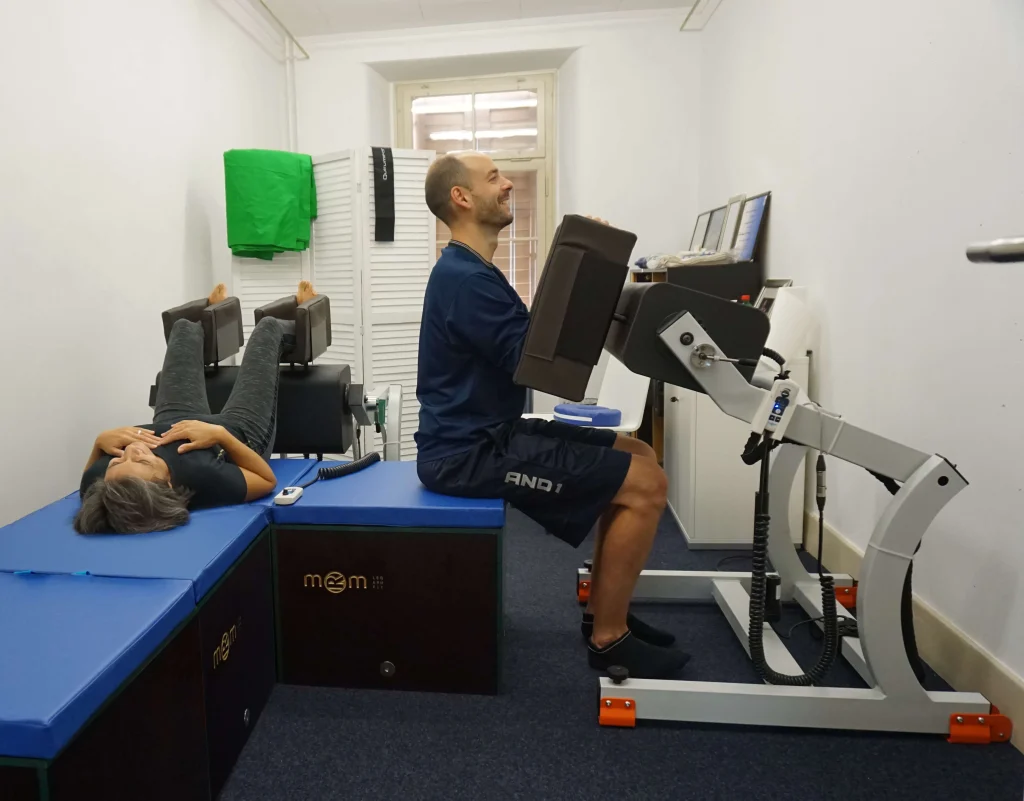
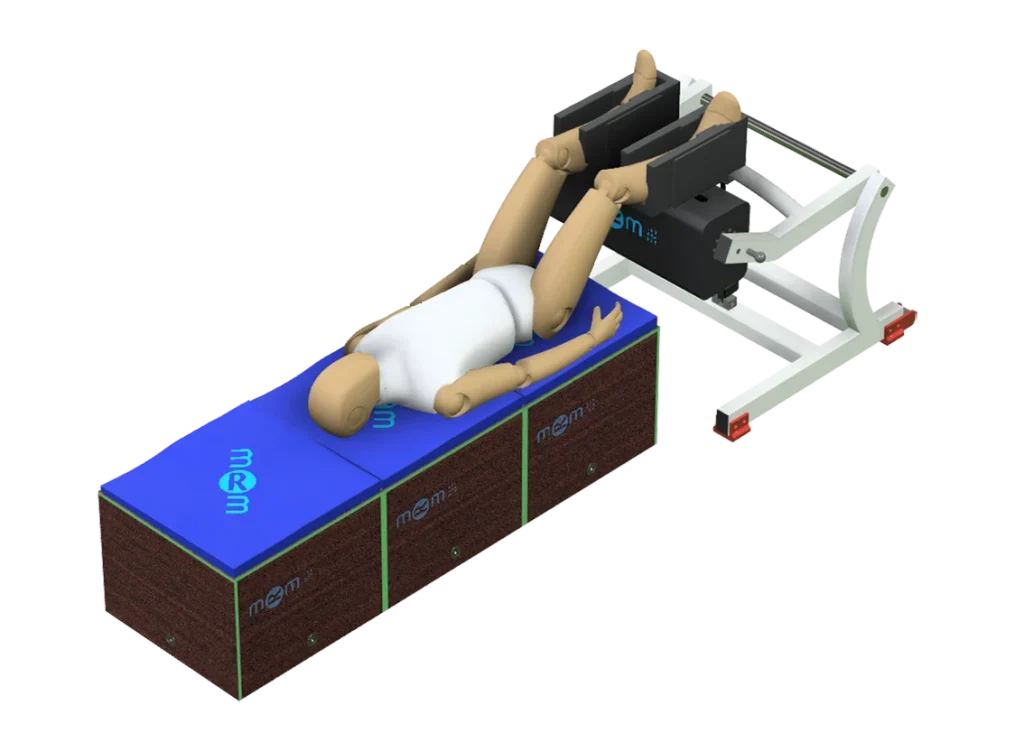
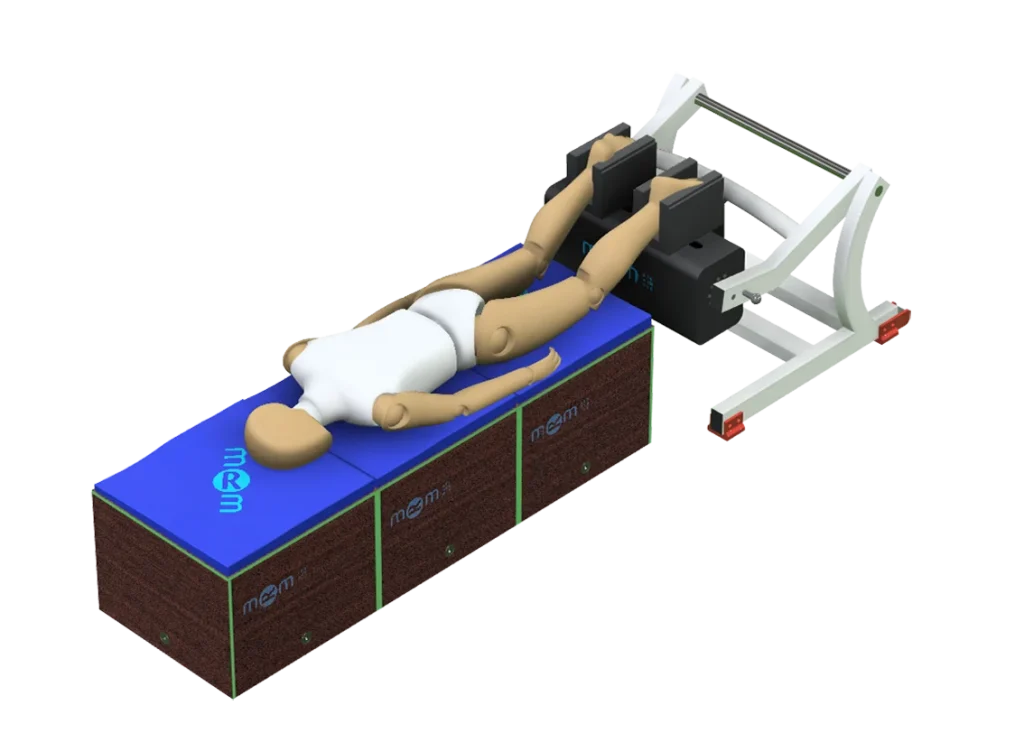
MRM Sport is a complementary physiotherapy device that incorporates Kinetic Wave technology, designed for deep, personalized massages on legs and arms, improving mobility, pain relief, and muscle recovery. It complements the work of therapists, facilitating the preparation and recovery of athletes and patients, without replacing the invaluable manual approach of professionals.
KINETIC WAVE THERAPY
Kinetic Wave Therapy is the most dynamic way to accelerate your muscle recovery
La capacidad del dispositivo MRM para inducir patrones de movimiento de tipo ondulatorio, así como su potencial para modular la hemodinámica tisular y favorecer los procesos de remodelación del colágeno, refuerzan su relevancia dentro del ámbito de la mecanotransducción. Los resultados obtenidos hasta la fecha, junto con la valoración favorable por parte de atletas de alto rendimiento, respaldan la diferenciación tecnológica del dispositivo y sugieren una elevada eficacia en sus aplicaciones clínicas y deportivas.
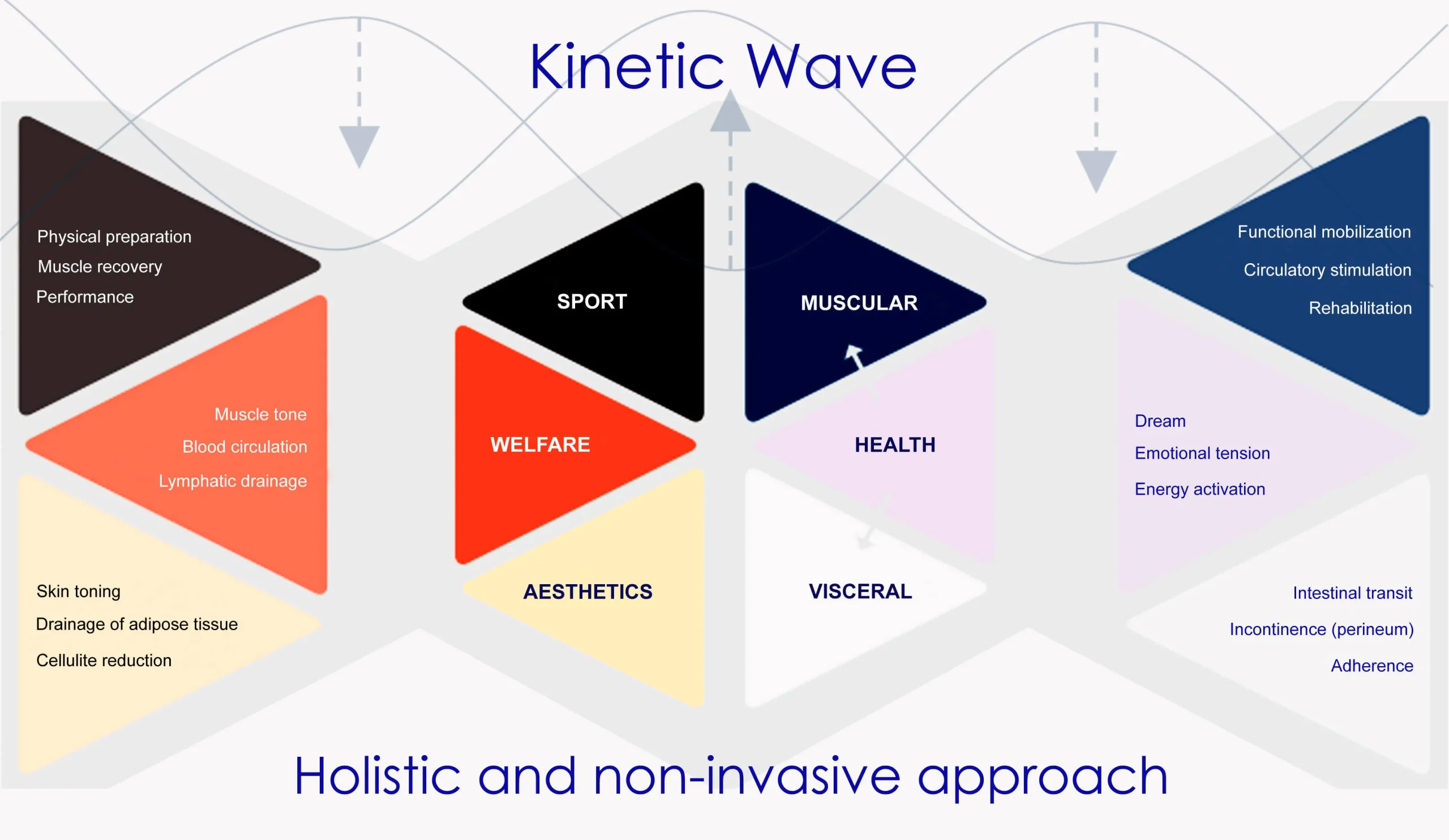
The device focuses on improving muscle health, mobility, stimulating the circulatory system, and promoting overall well-being of mind and body.
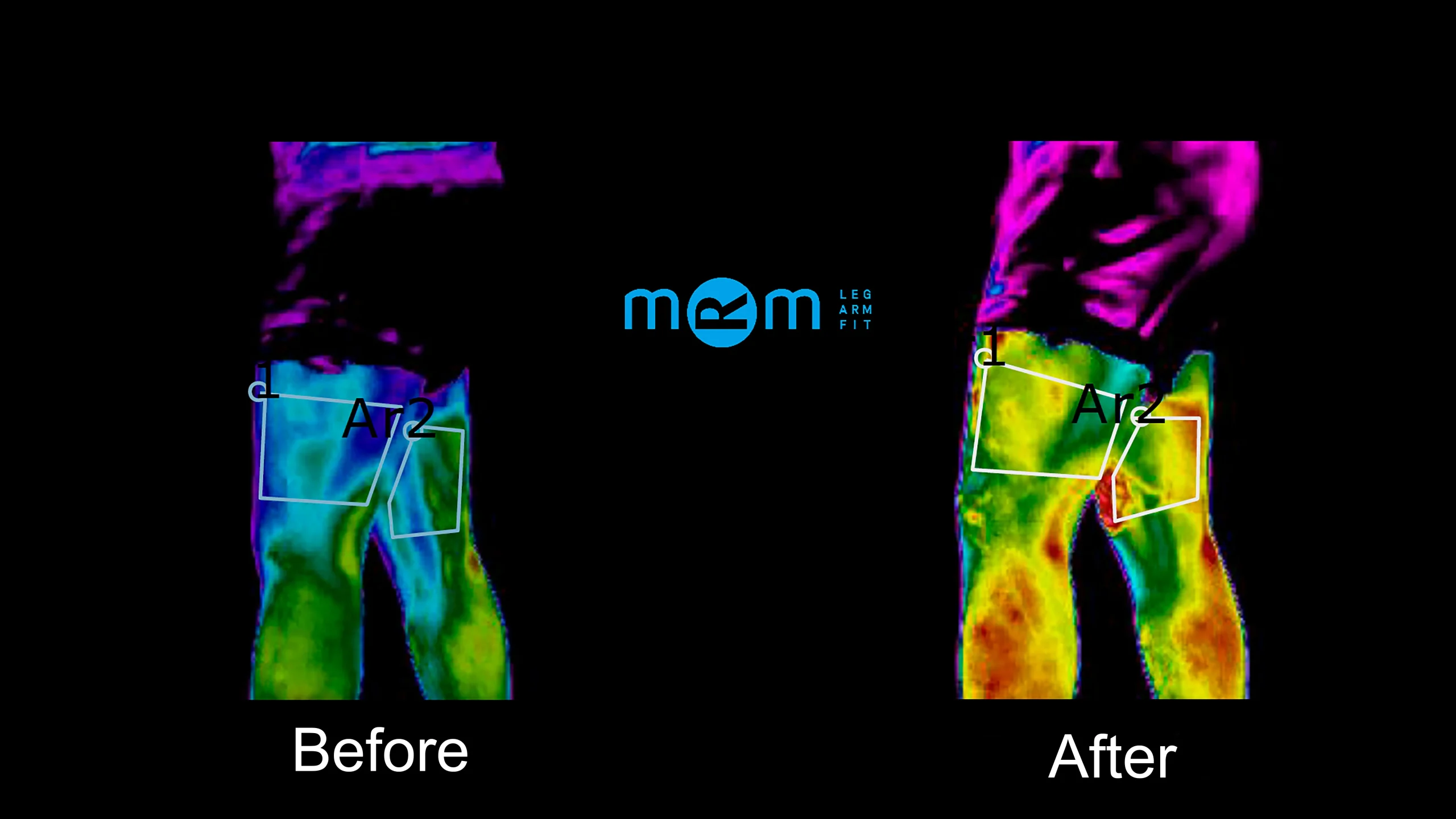
Significant increase in blood flow
To evaluate the effectiveness of the MRM device, we used thermography as a non-invasive tool to monitor blood flow variations. The results were revealing. We observed a significant increase in blood flow directly attributable to the device. These results confirm that the MRM device has a real impact on improving circulation and blood flow, guaranteeing multiple benefits and applications.
INNOVATION IN BIOMECHANICAL MASSAGES
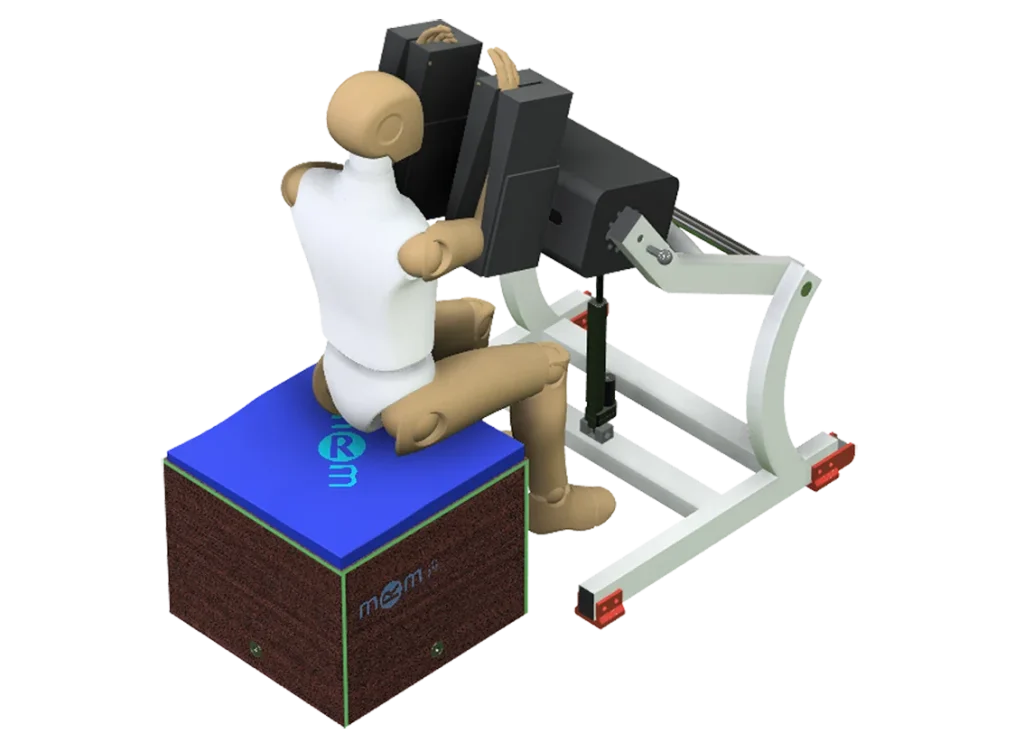
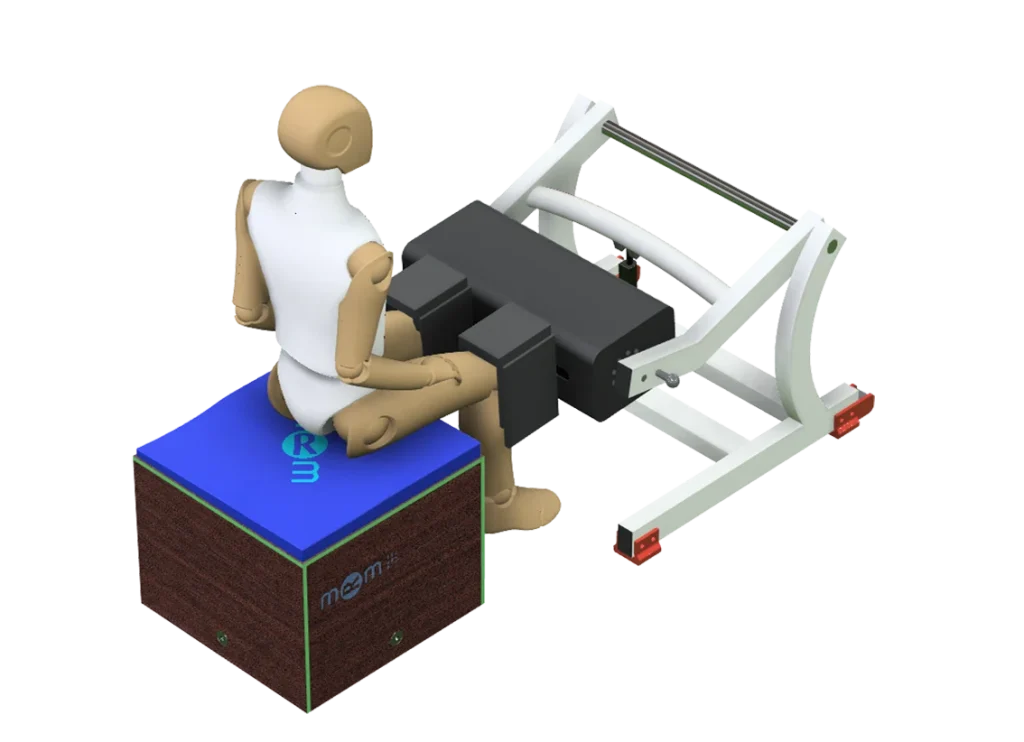
Adjustable in height, tilt, speed and time to adapt to each morphology and treatment.
The movement activates blood circulation and drains lymph.
Multi-position system that offers specific capabilities for each muscle group.
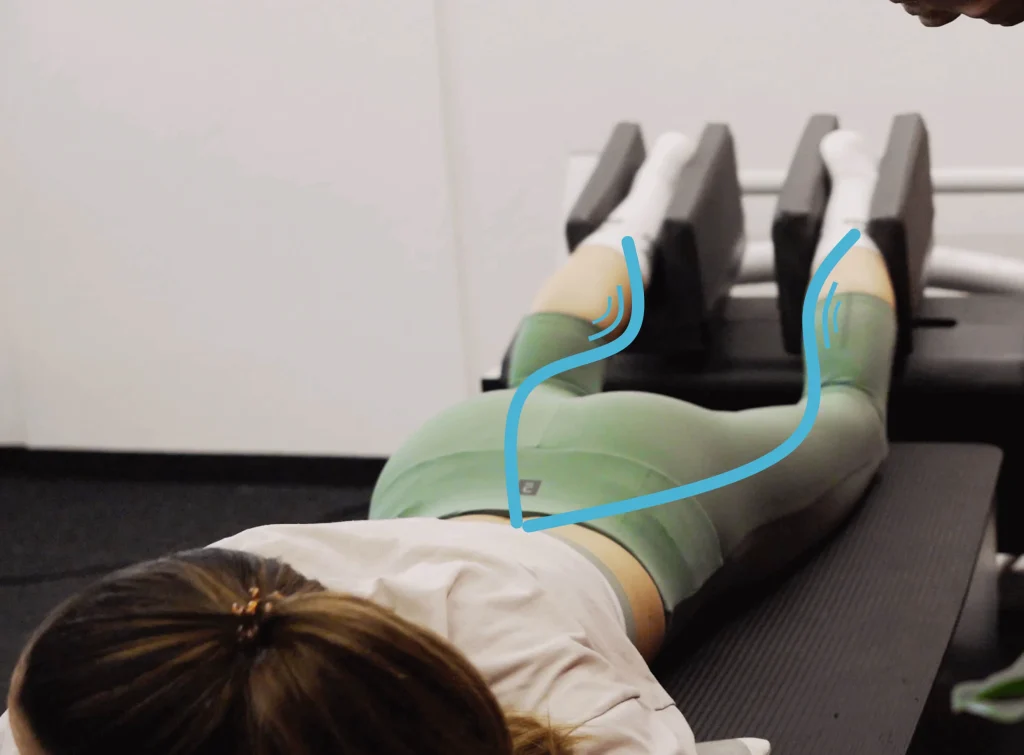
The protective sponges provide a secure anchor for arms and legs without excessive pressure or risk of bruising.
Innovation in health and sports performance
The MRM device stands out for its exceptional ability to generate abduction and adduction movements in the legs and pelvic region: The adjustable rhythmic wave-like movements reach deep into the muscles of the legs and pelvic region and the psoas.
The Psoas, an often unknown muscle
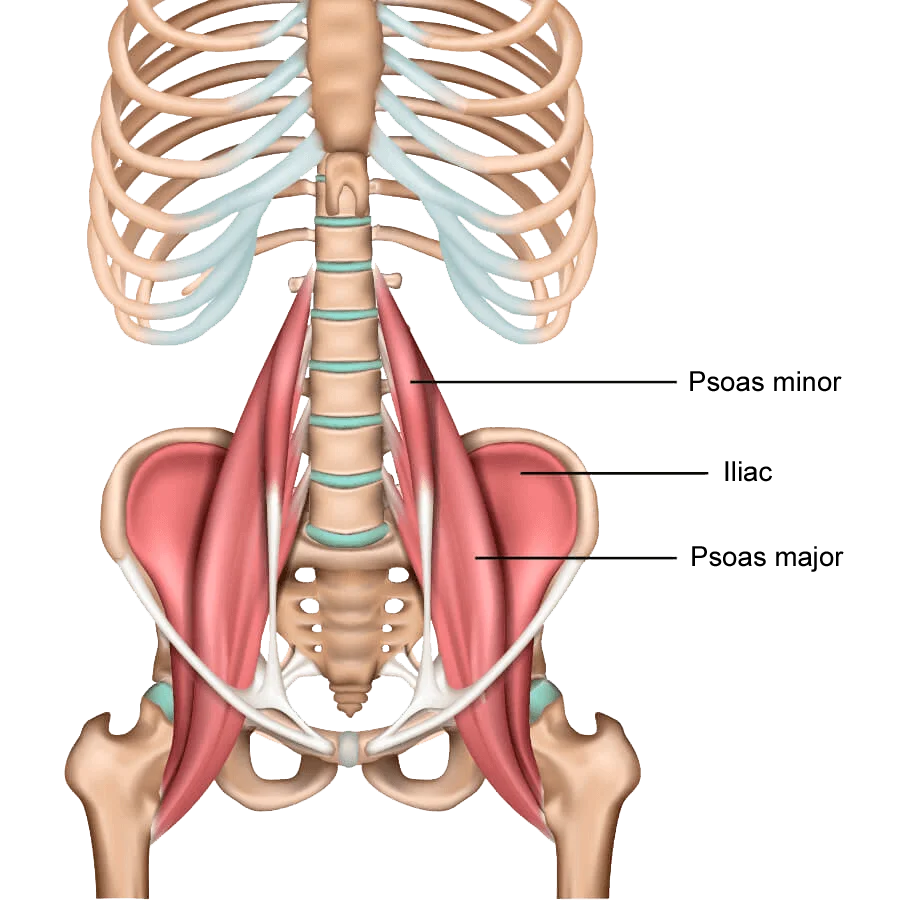
The psoas is a deep muscle that connects the upper body, from the lumbar vertebrae, to the leg via the anterior aspect of the femur, passing through the pelvis.
It is primarily a postural muscle, and relaxing it can alleviate back pain, osteoarthritis, hernias, and other related issues.
The psoas is adjacent to several organs, including the intestines, kidneys, female urogenital organs, and diaphragm.
The MRM device is the only device that reaches the psoas non-invasively.
As a result, it relaxes the organs associated with:
- Intestine: Improved transit and adhesions.
- Female organs: Incontinence, endometriosis and painful cycles.
- Diaphragm: Reduction of emotional tension.
Health and Performance
The MRM offers an adjustable wave-like motion, ranging from a gentle to a rapid wave. This ability to modulate stimulation allows for fast and effective muscle recovery, tailored to the specific needs of athletes in pre- or post-training phases. Furthermore, it can be applied in a targeted manner to agonist and antagonist muscles, proving especially beneficial for soccer players, pivot players, basketball players, and golfers who require optimal muscle relaxation.
TECHNOLOGY
Technical Approach to Neuromuscular Recovery and Sports Rehabilitation
The MRM system is designed to optimize tissue homeostasis and neuromuscular recovery in athletes. Its protocol focuses on muscle fiber regeneration, improving joint range of motion (ROM), optimizing local hemodynamics, and facilitating an optimal physiological state for training adaptation and injury prevention.
From a biomechanical perspective, MRM mitigates the therapeutic challenges associated with mechanical stress in sports through the precise stimulation of blood flow and lymphatic drainage. This mechanism is fundamental for accelerating the clearance of metabolites (such as lactate), reducing post-exercise edema, and modulating the inflammatory response during injury rehabilitation. Its patented kinetic wave technology, with dynamic lateral adjustability, allows for myofascial release that effectively penetrates from superficial layers to deep stabilizing muscles (e.g., iliopsoas), structures that are difficult to access with conventional manual therapies. The modulation of these waves not only induces neuromuscular relaxation but also optimizes perfusion in interconnected circulatory systems. Furthermore, positive remodeling of subcutaneous and fascial tissue has been documented after short intervention cycles.
As a state-of-the-art physiotherapy assistance device, the MRM system provides deep and segmental compression massage protocols for upper and lower limbs. It is designed to mitigate DOMS (Delayed Onset Muscle Soreness), restore fascial elasticity, and accelerate muscle recovery. Its integration into the technical team acts as a strategic aid for sports physiotherapists, optimizing warm-up, inter-session recovery, and rehabilitation protocols, complementing—but not replacing—the clinical judgment and specialized manual intervention of the professional.
The MRM Kinetic Wave addresses the following key challenges in physiotherapy:
- Efficiency: It saves time and reduces the therapist’s effort, allowing for the treatment of more patients.
- Efficacy: Improves treatment results with deep biomechanical wave technology that reaches undertreated areas such as the pelvic muscles.
- Complementarity: It enhances the therapists’ experience without replacing their personal touch, adapting perfectly to existing treatment protocols.
- Gentleness: It offers a non-invasive option that can be used fully clothed, ensuring patient comfort.
- Personalization: It features adjustable intensity, speed, and frequency for personalized care, targeting specific needs of legs and arms.
- Circulatory benefits: Stimulates the circulatory systems with rhythmic side-to-side movements, promoting fluid flow and overall circulatory health of the body.
TREATMENTS
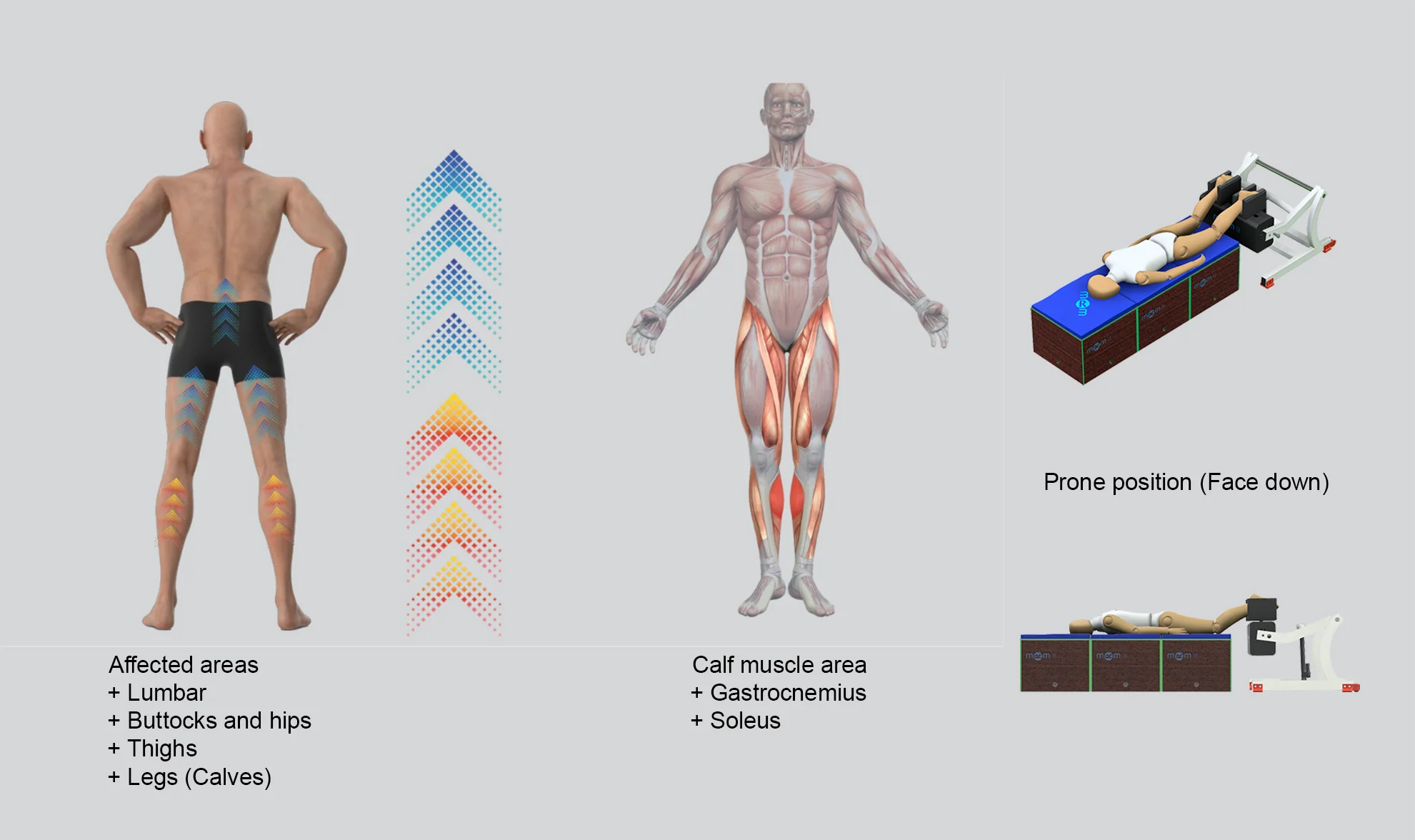
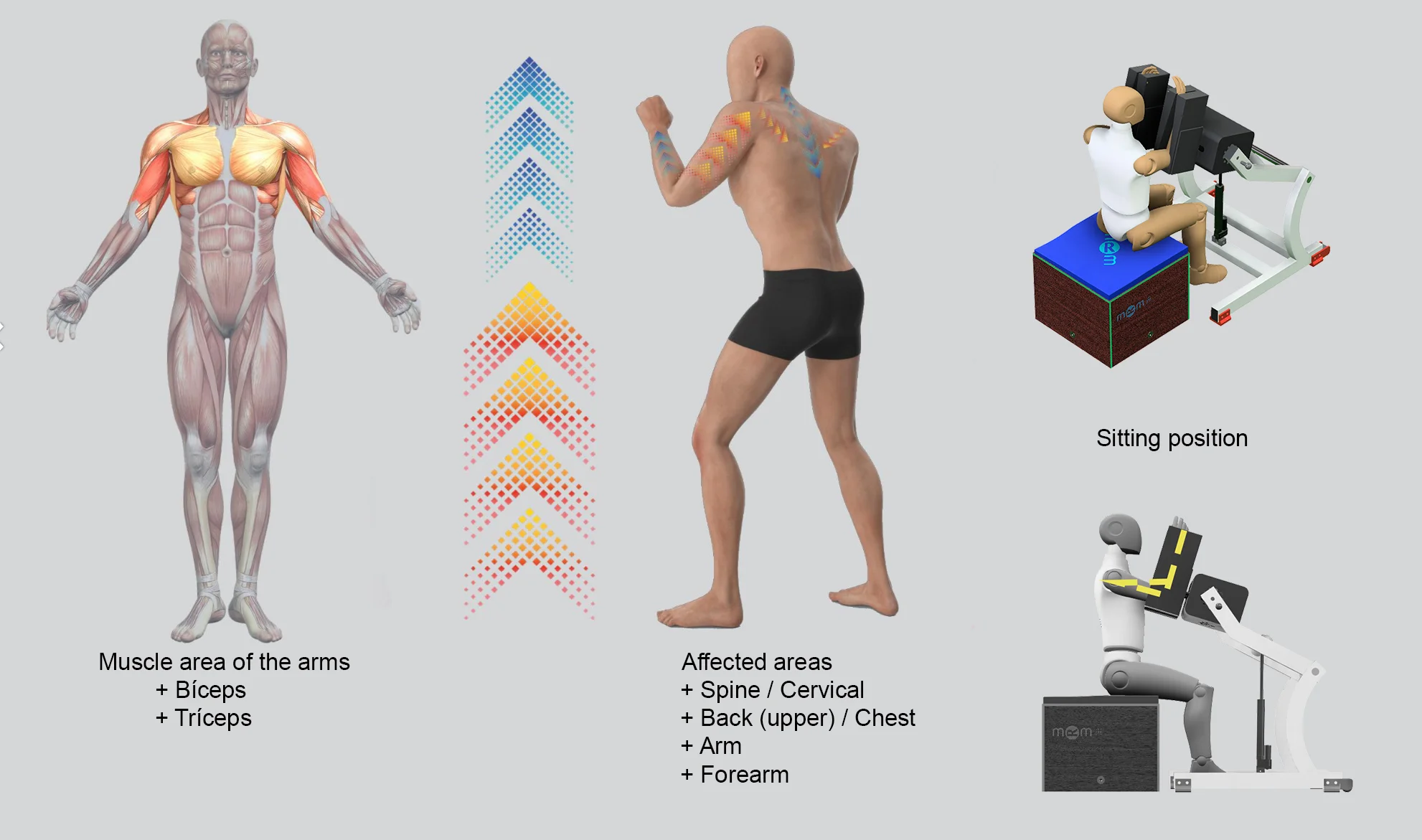
MUSCLES AFFECTED IN TREATMENTS:
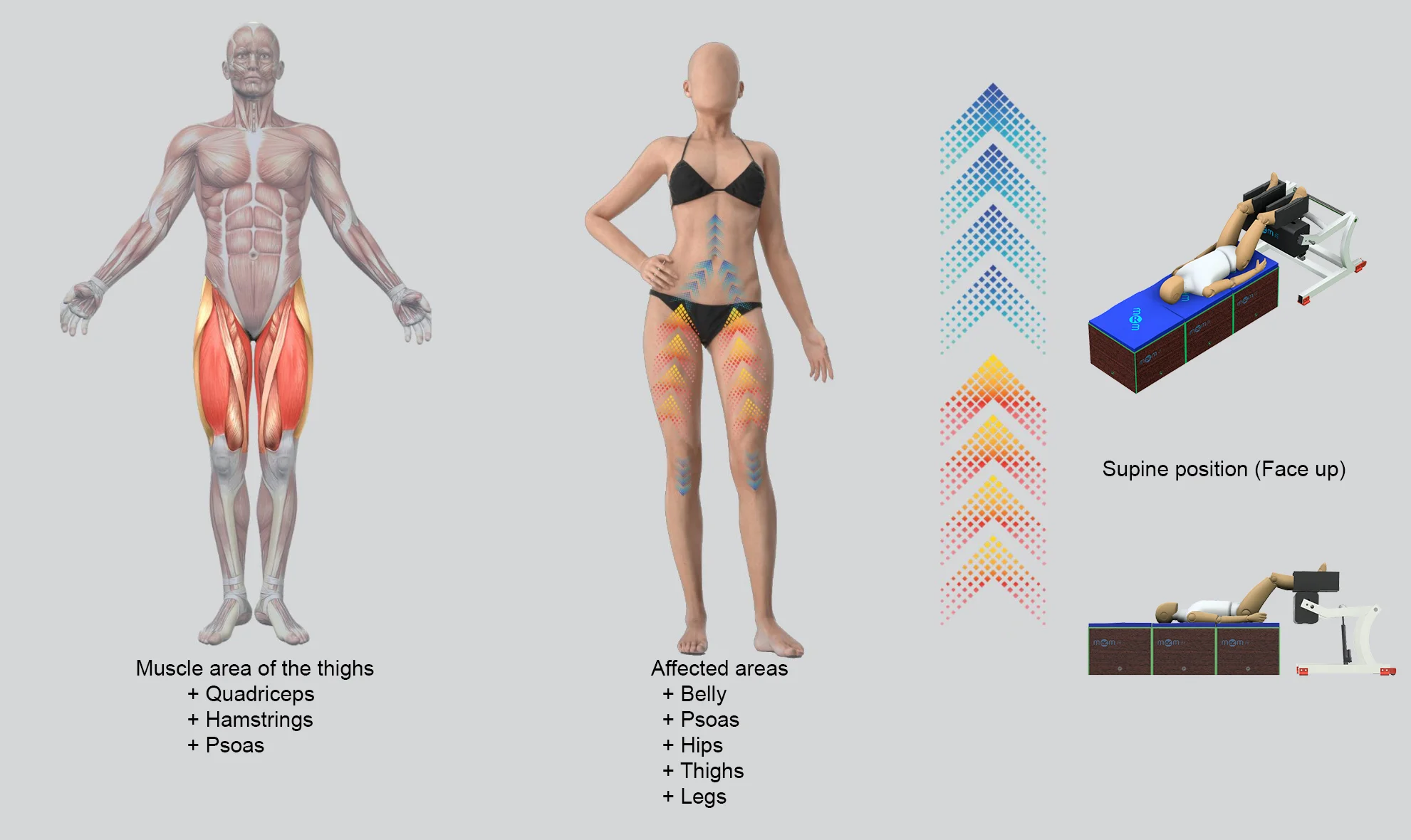


Optimizing Neuromuscular Recovery in High-Performance Sport Using MRM Technology:
The exponential increase in training loads, intensity, and competition volume in modern sport subjects the neuromuscular system to constant physiological stress. In this context, recovery periodization stands as a fundamental pillar, on par with nutrition, sleep hygiene, and training planning. Optimizing tissue regeneration processes not only guarantees sustained performance throughout the season but also mitigates the risk of overuse injuries, extends athletic longevity, and facilitates healthier career transitions.
The MRM device incorporates kinetic wave technology with variable frequency and amplitude, designed for segmental and deep application to the upper body (arms) and lower body (legs). This modulation allows for precise calibration of the therapeutic stimulus with clinical accuracy: from low frequencies, aimed at myofascial relaxation and lymphatic drainage, to high frequencies, intended for vascular stimulation and neuromuscular activation. This versatility guarantees highly personalized recovery protocols, adapted to the phase of the season and the specific biomechanical demands of each athlete.
One of the key advantages of MRM is its ability to selectively target muscle chains, acting on agonist and antagonist groups to restore muscle tone. This is crucial in disciplines that require explosive movements, sudden changes of direction, and rotations (such as soccer, basketball, pivot sports, and golf), where reducing hypertonia and improving tissue compliance are essential for injury prevention.
Particularly in soccer, where eccentric demands and microtrauma to the lower extremities are at their peak, MRM facilitates highly effective active recovery. Variable frequency undulation induces a dual neurophysiological effect: on the one hand, it promotes vasodilation and the clearance of metabolites (accelerating active recovery), and on the other hand, it exerts a psychosomatic modulation that decreases the subjective perception of fatigue and normalizes post-exertion muscle tone, optimizing the athlete’s readiness for the next session or competition.